Built by Operators
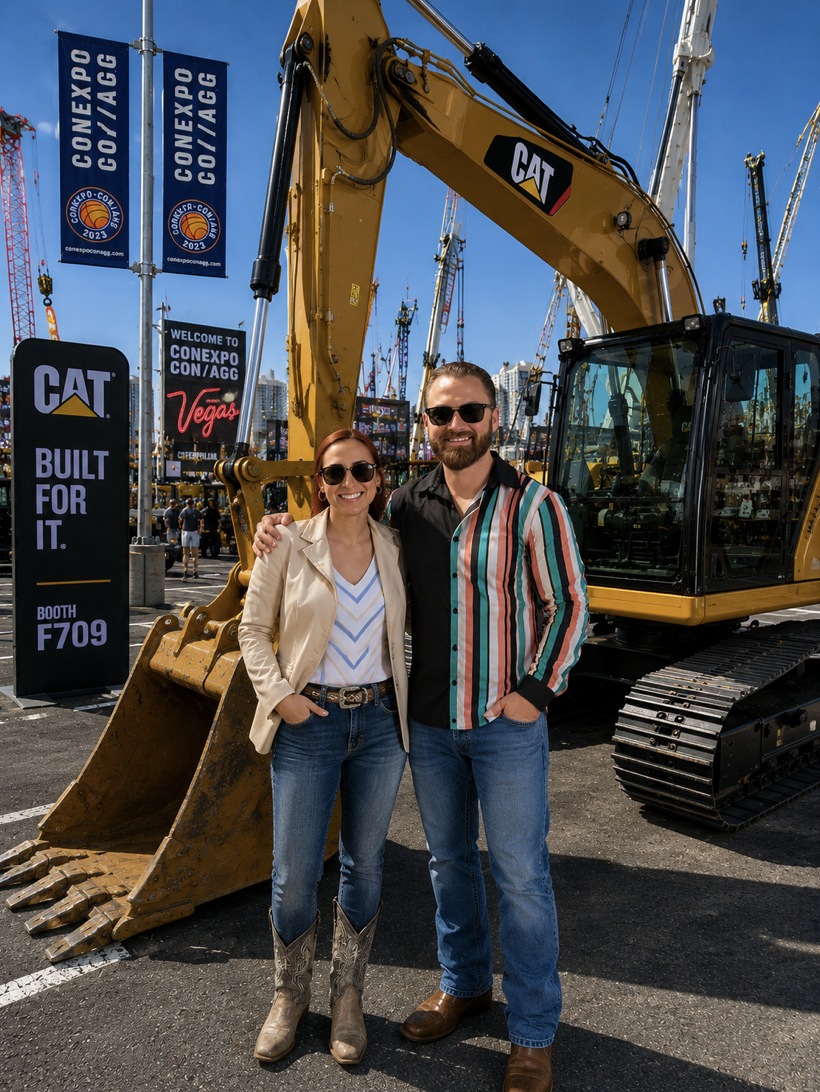
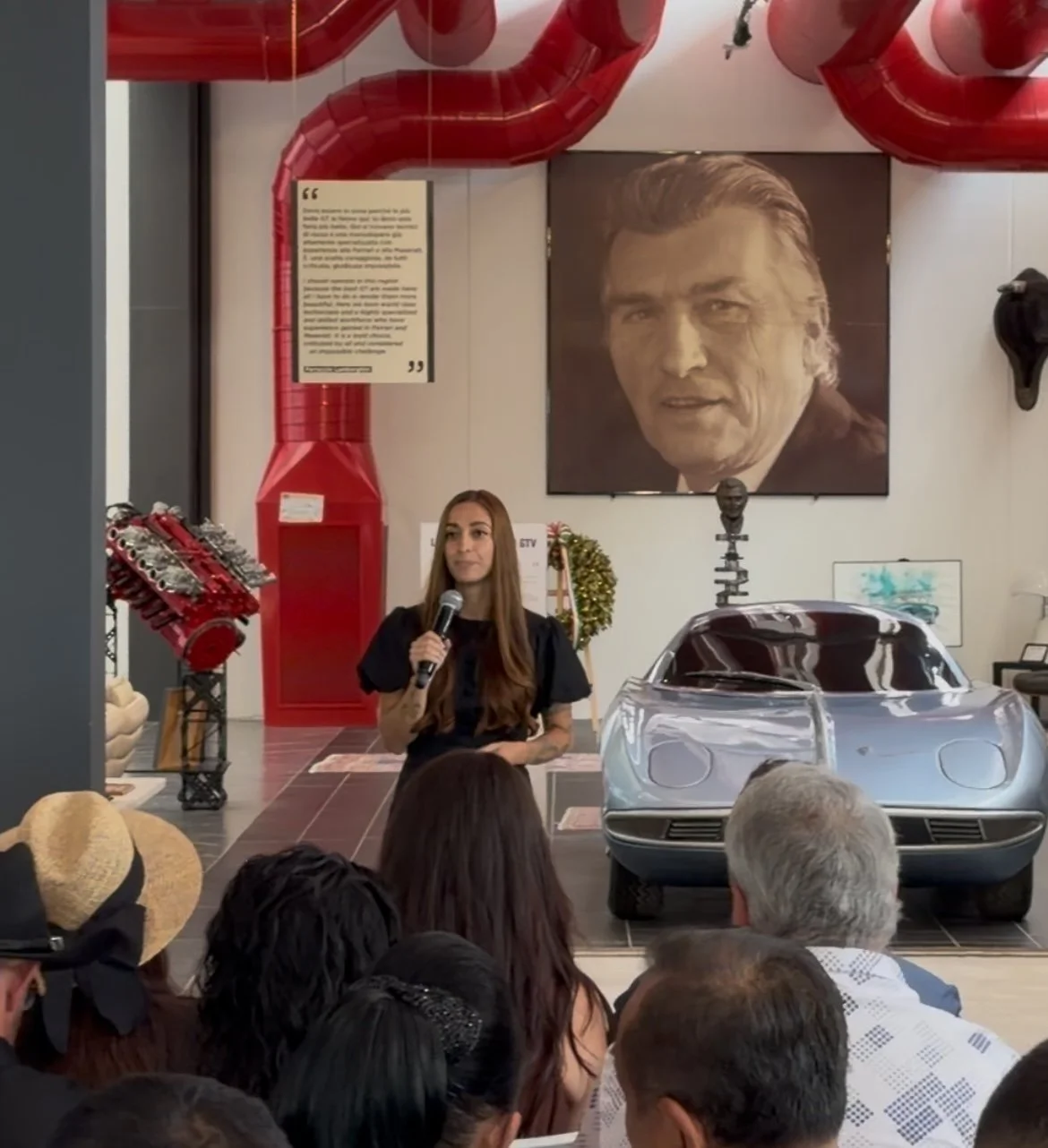
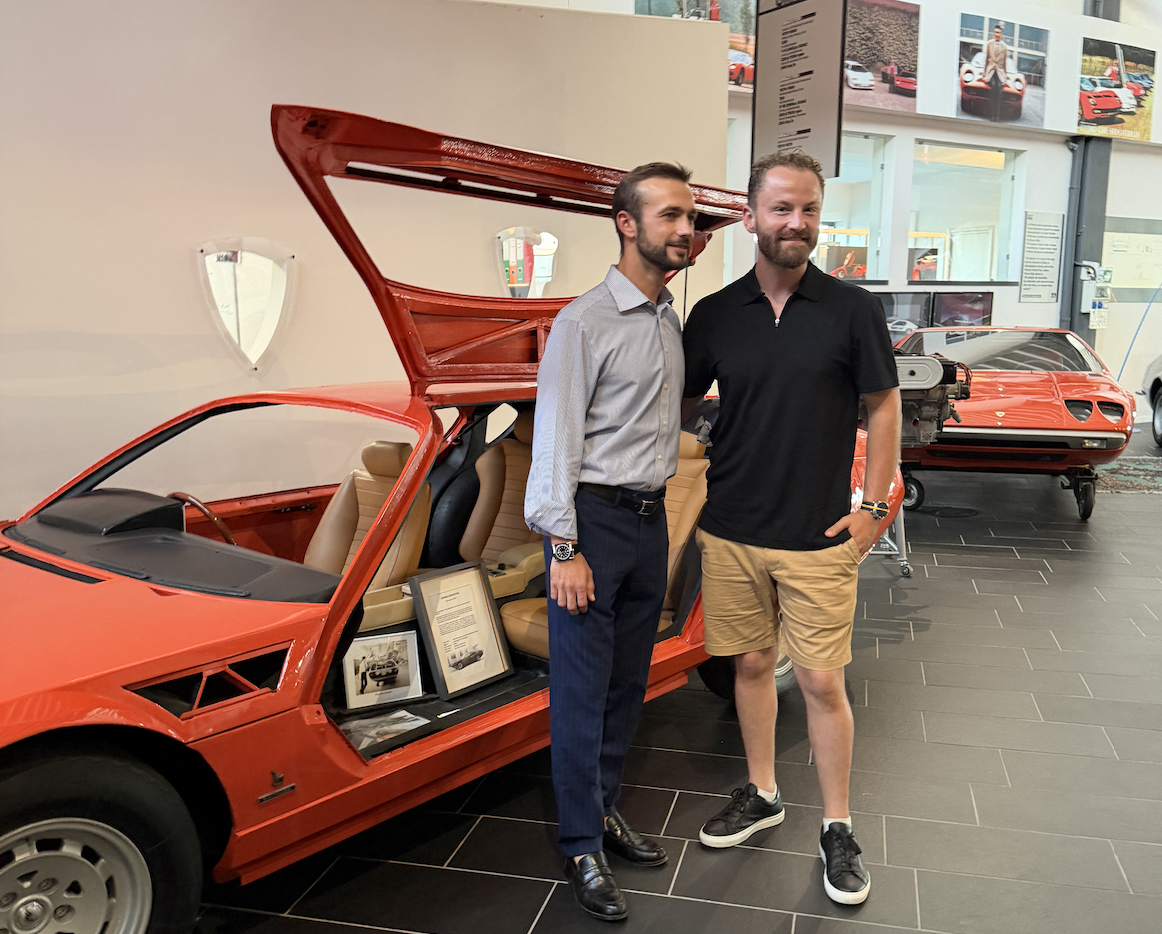
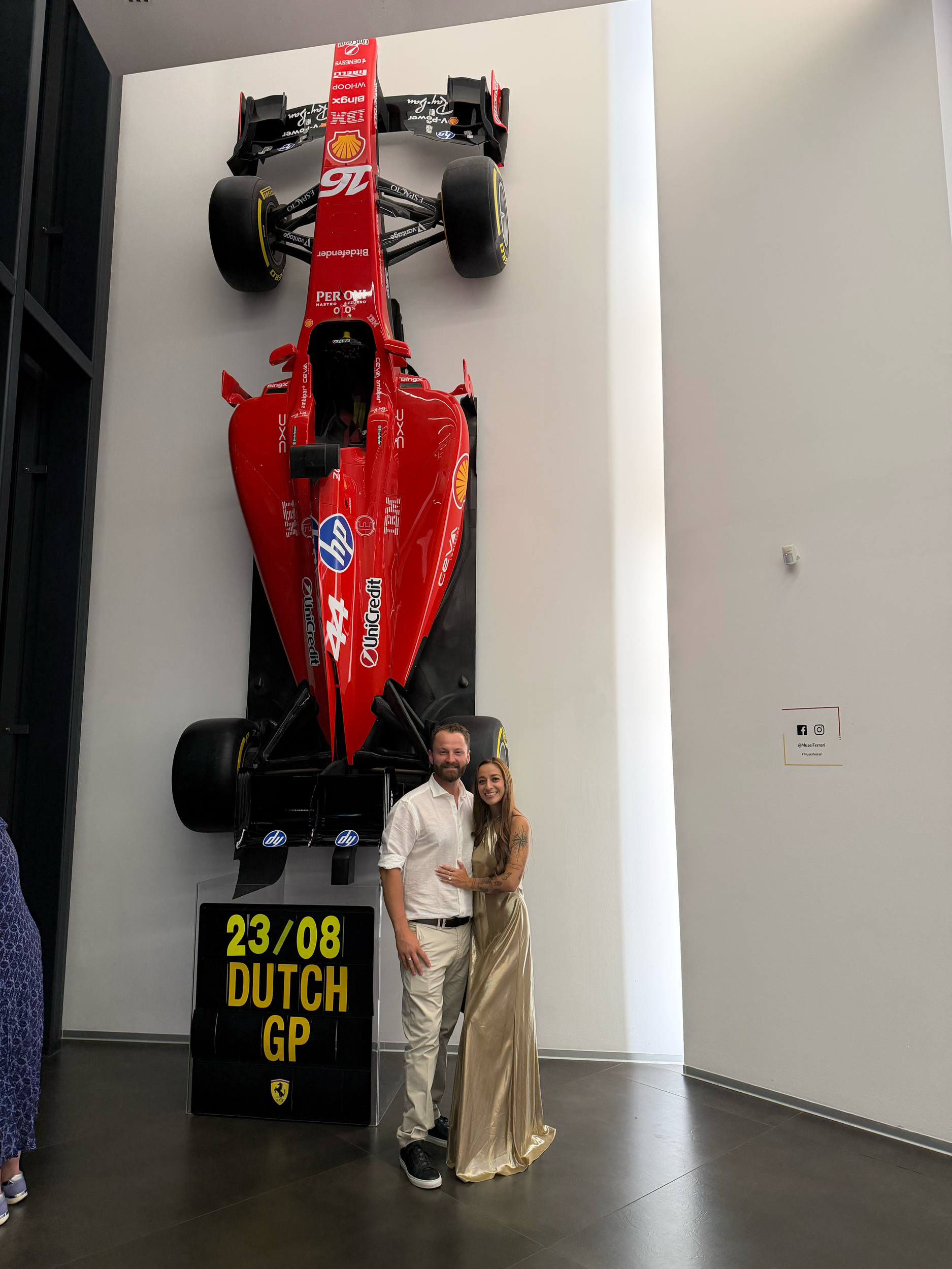
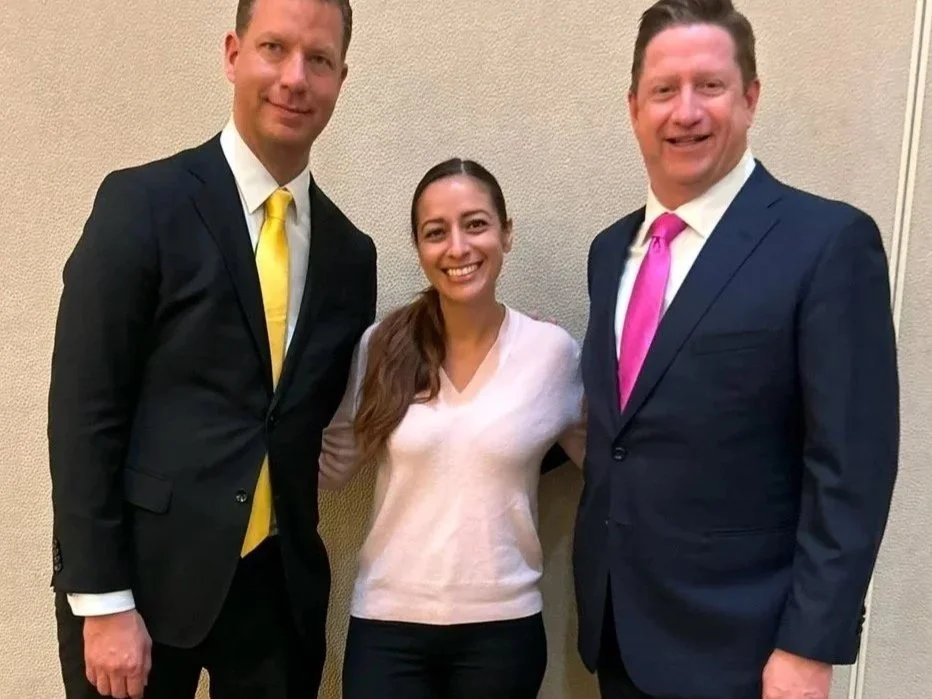
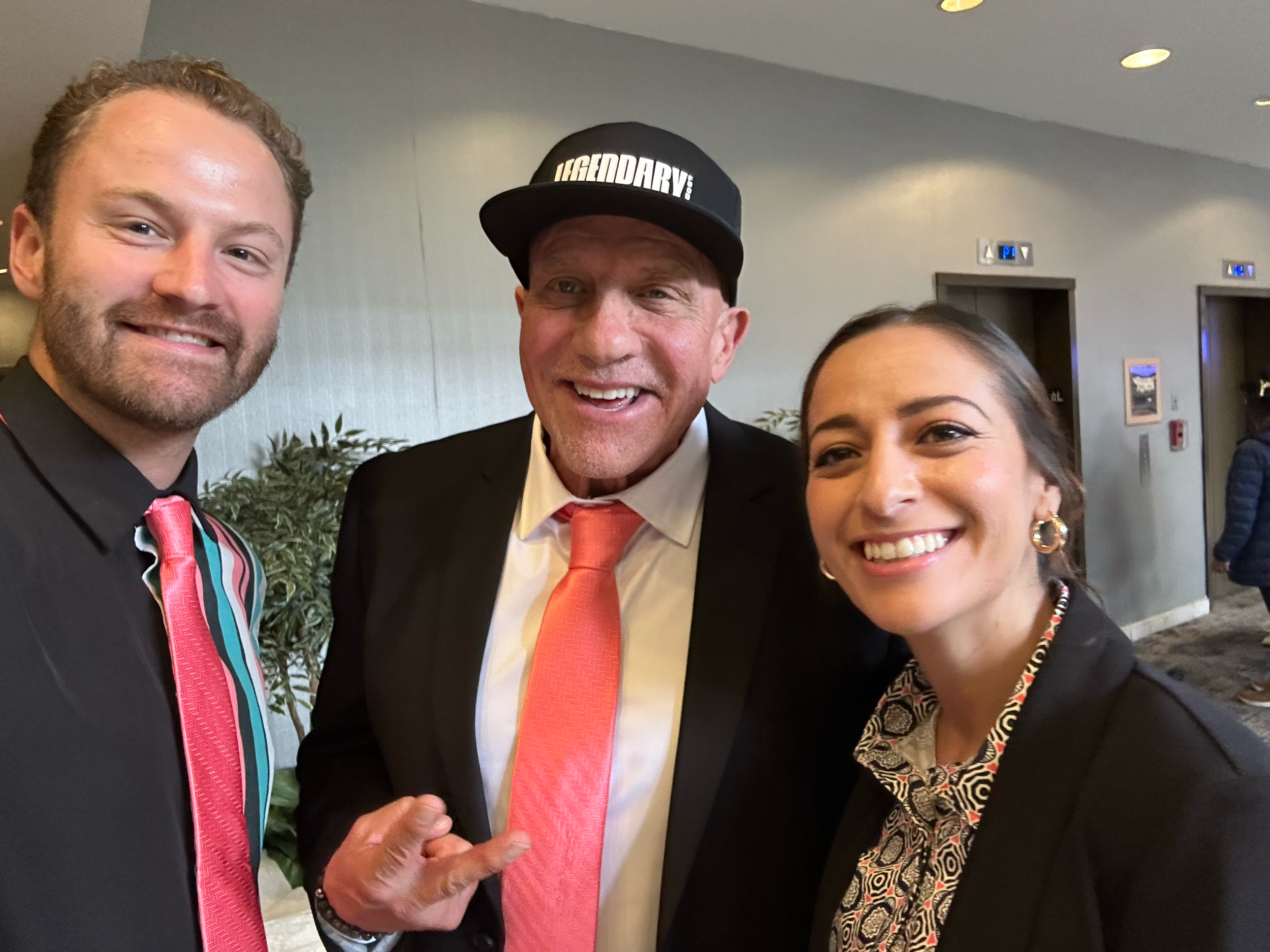
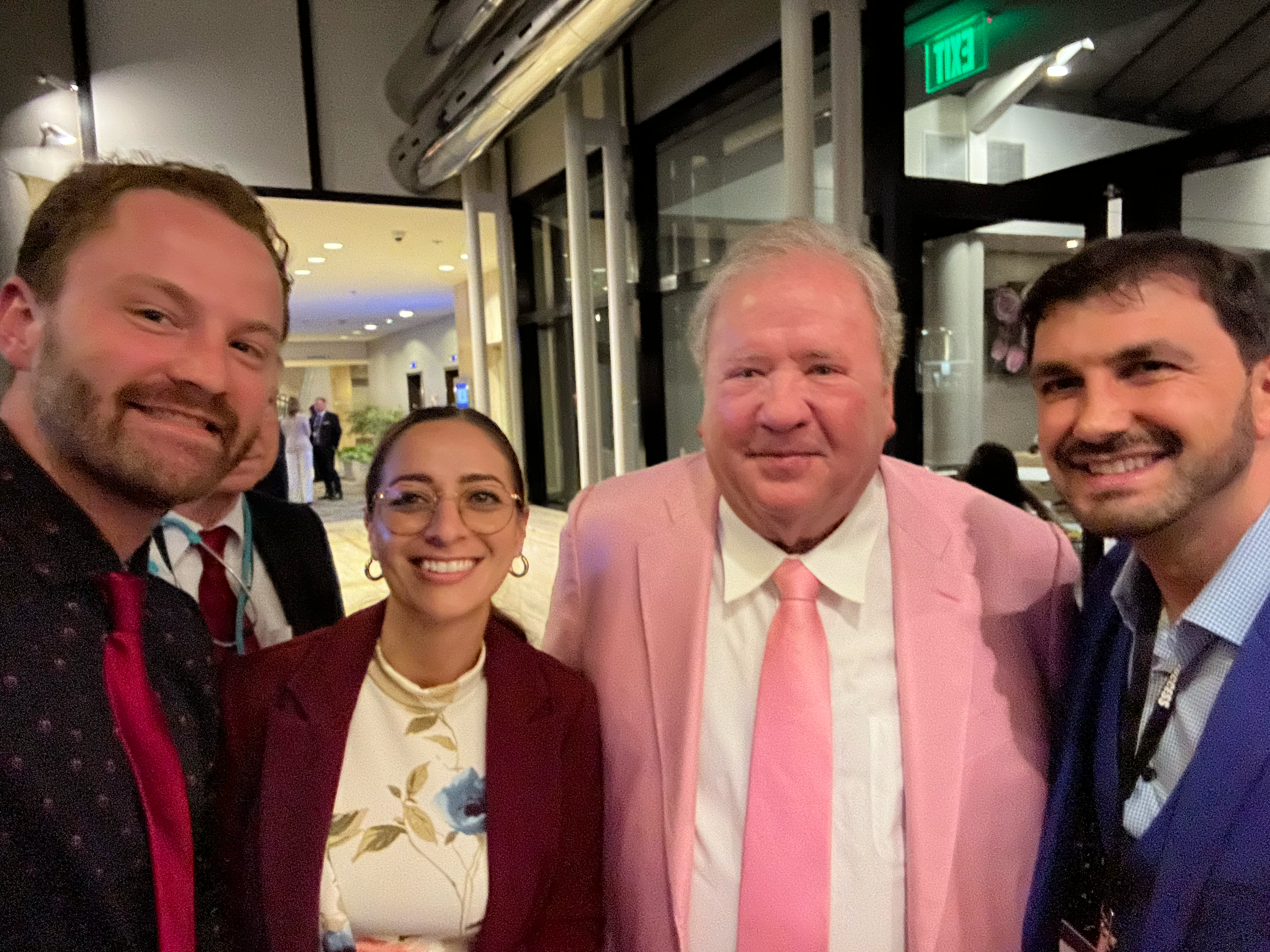
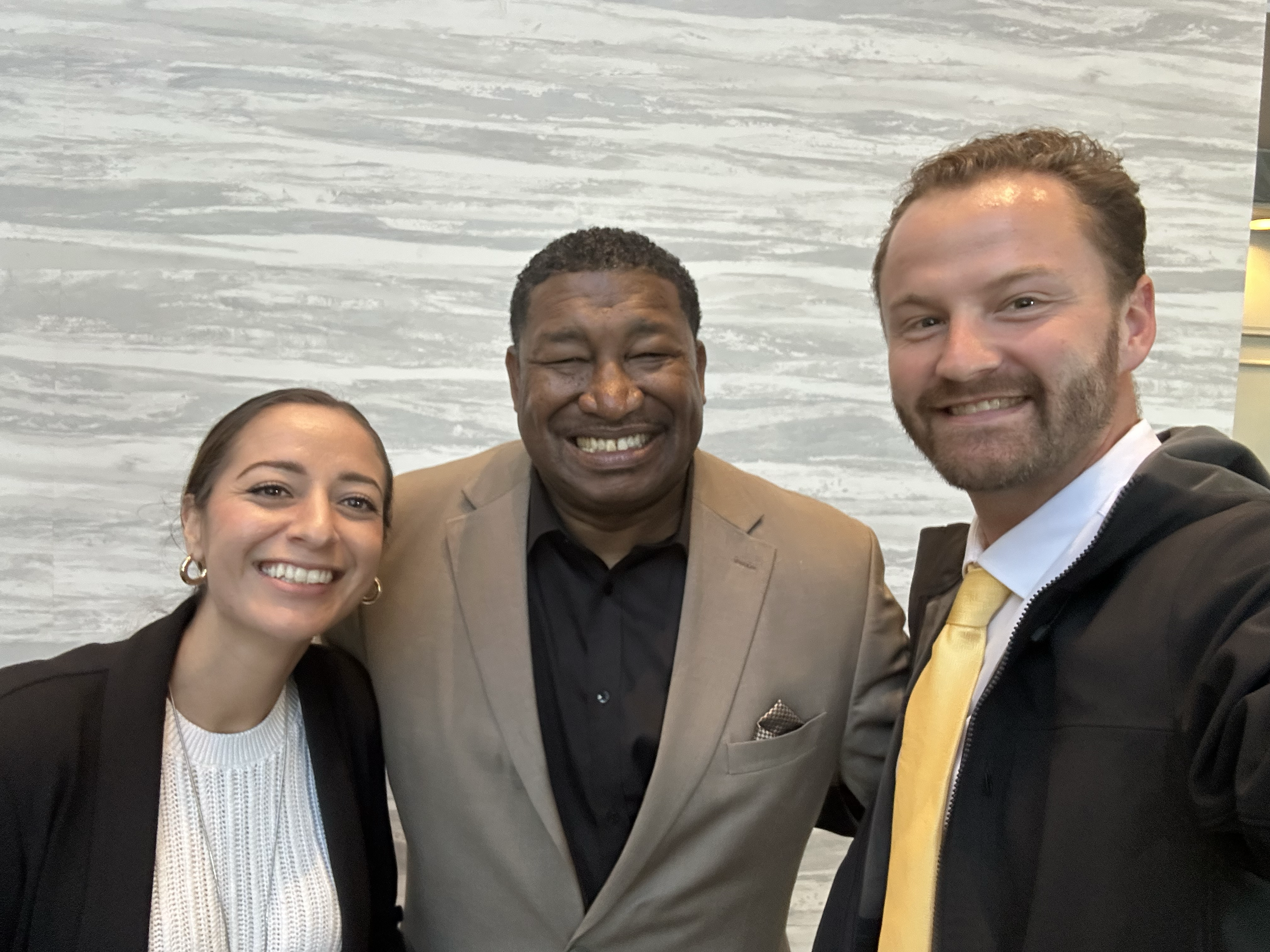
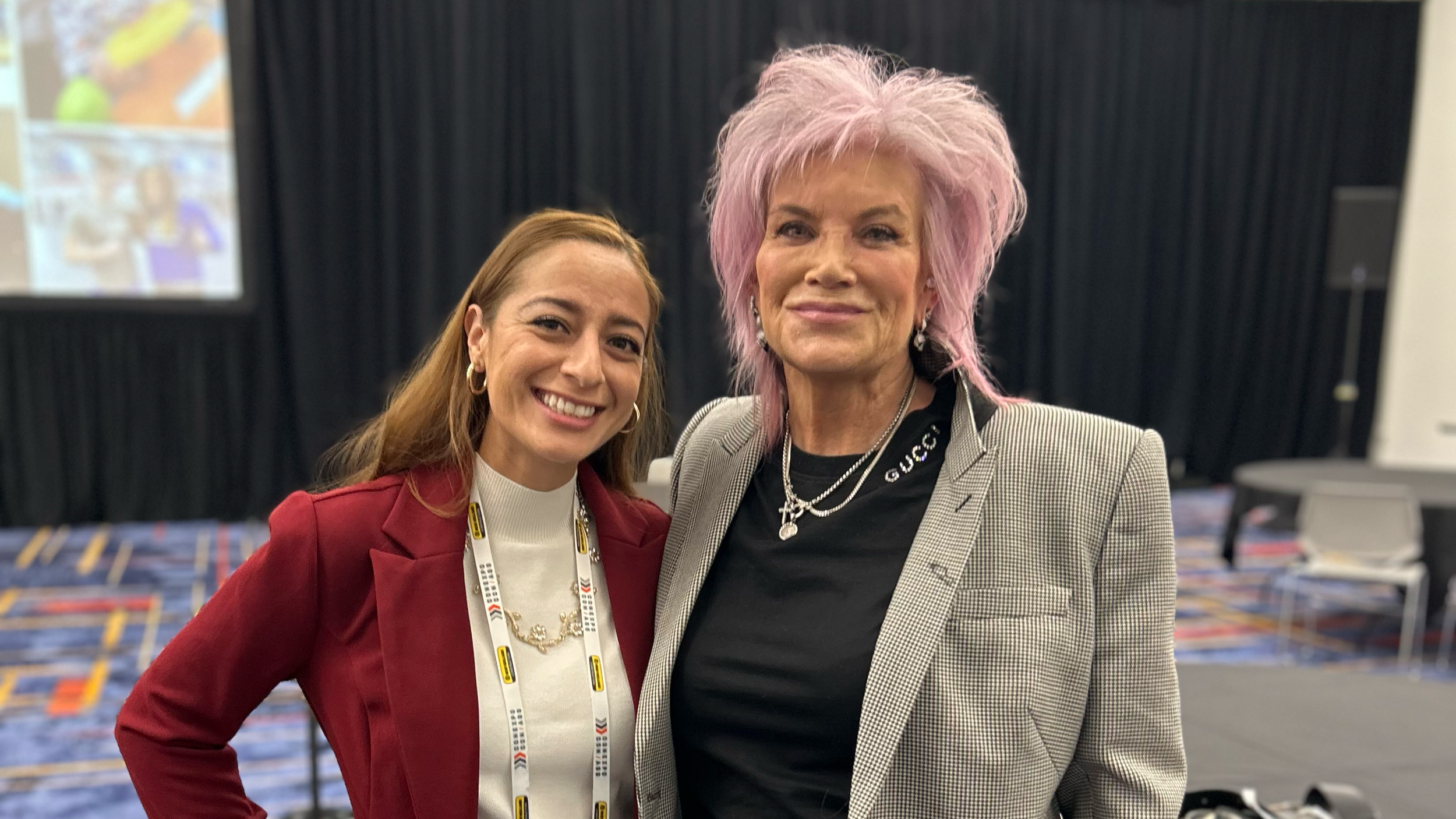
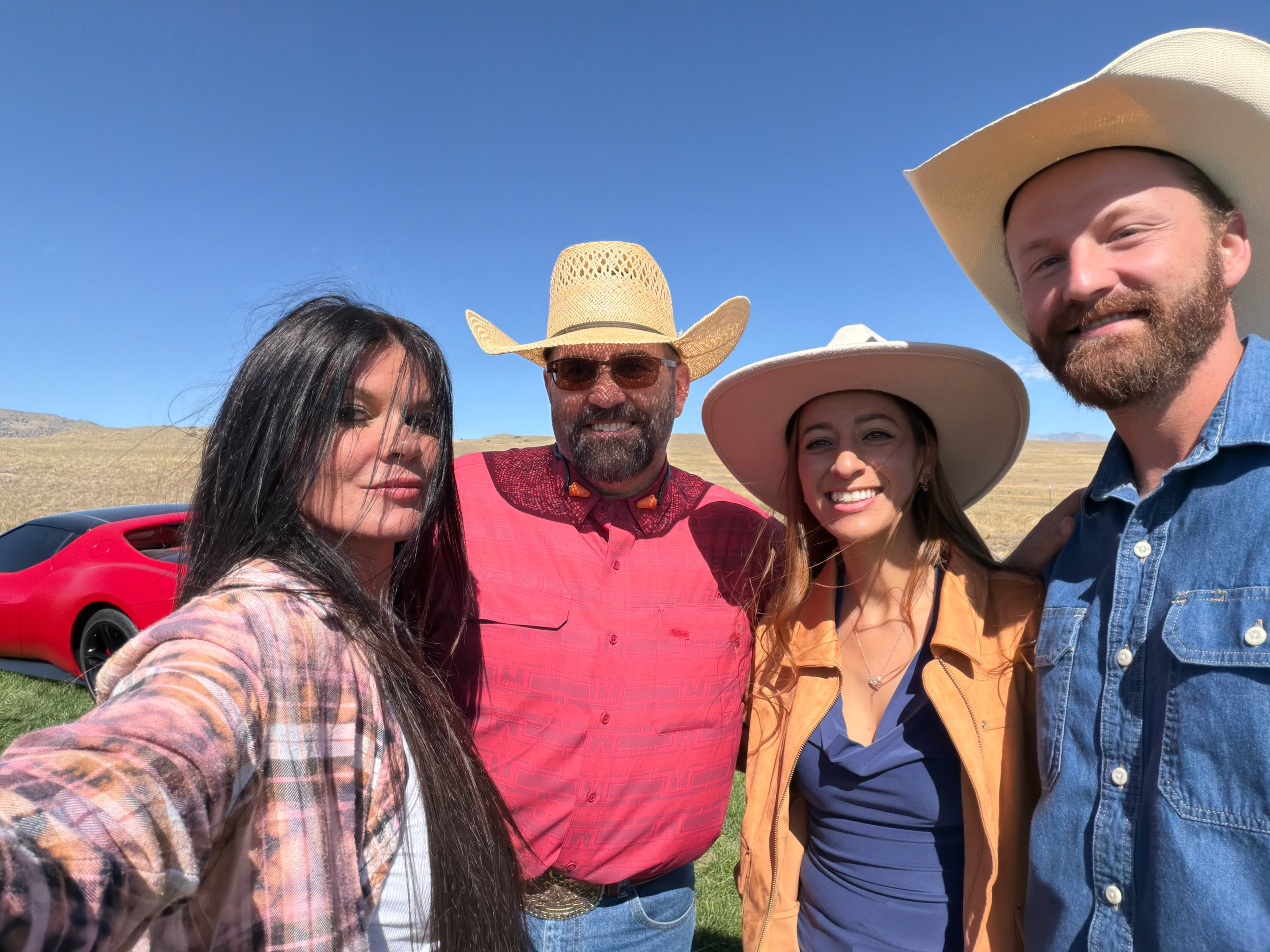
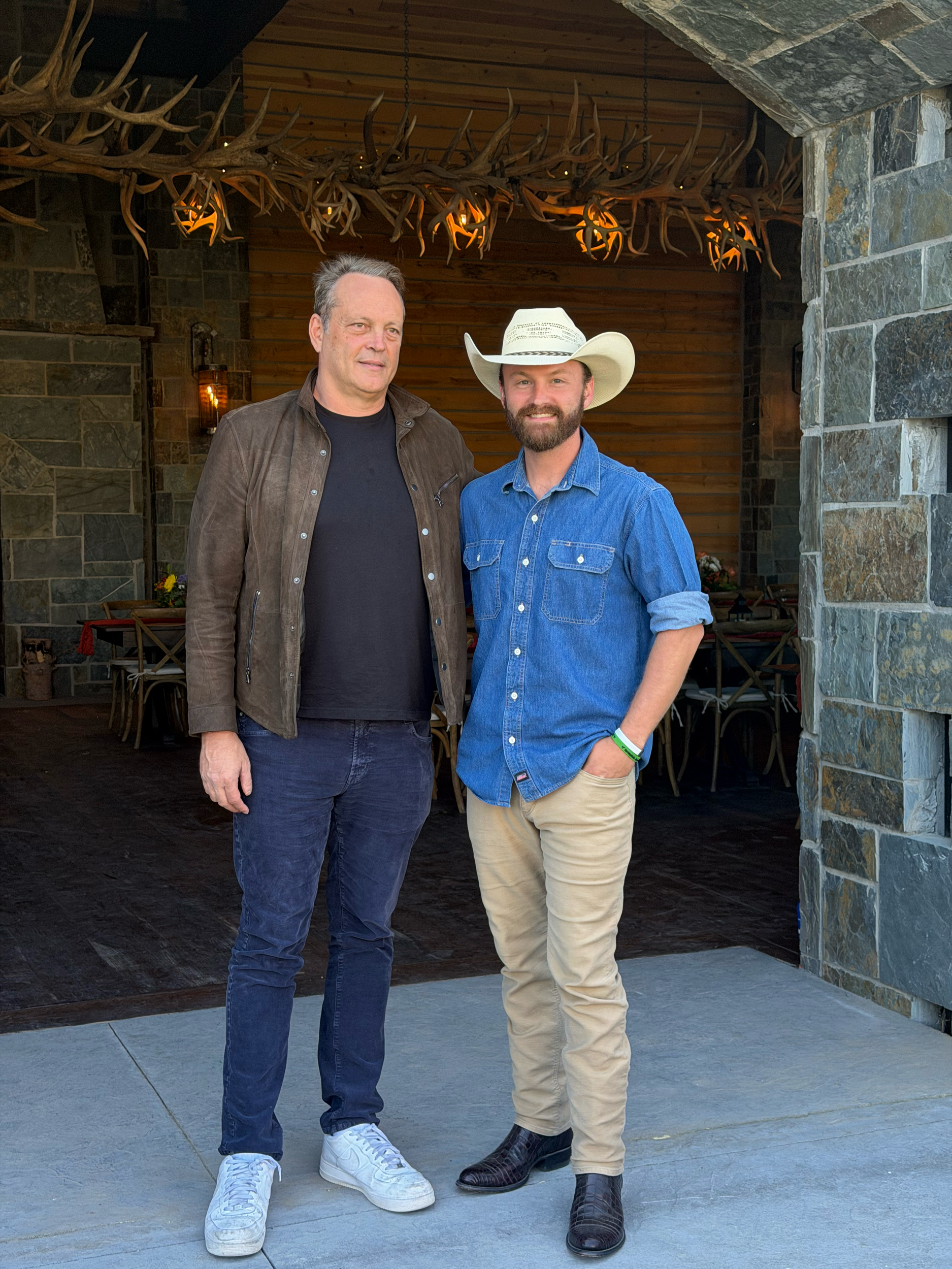
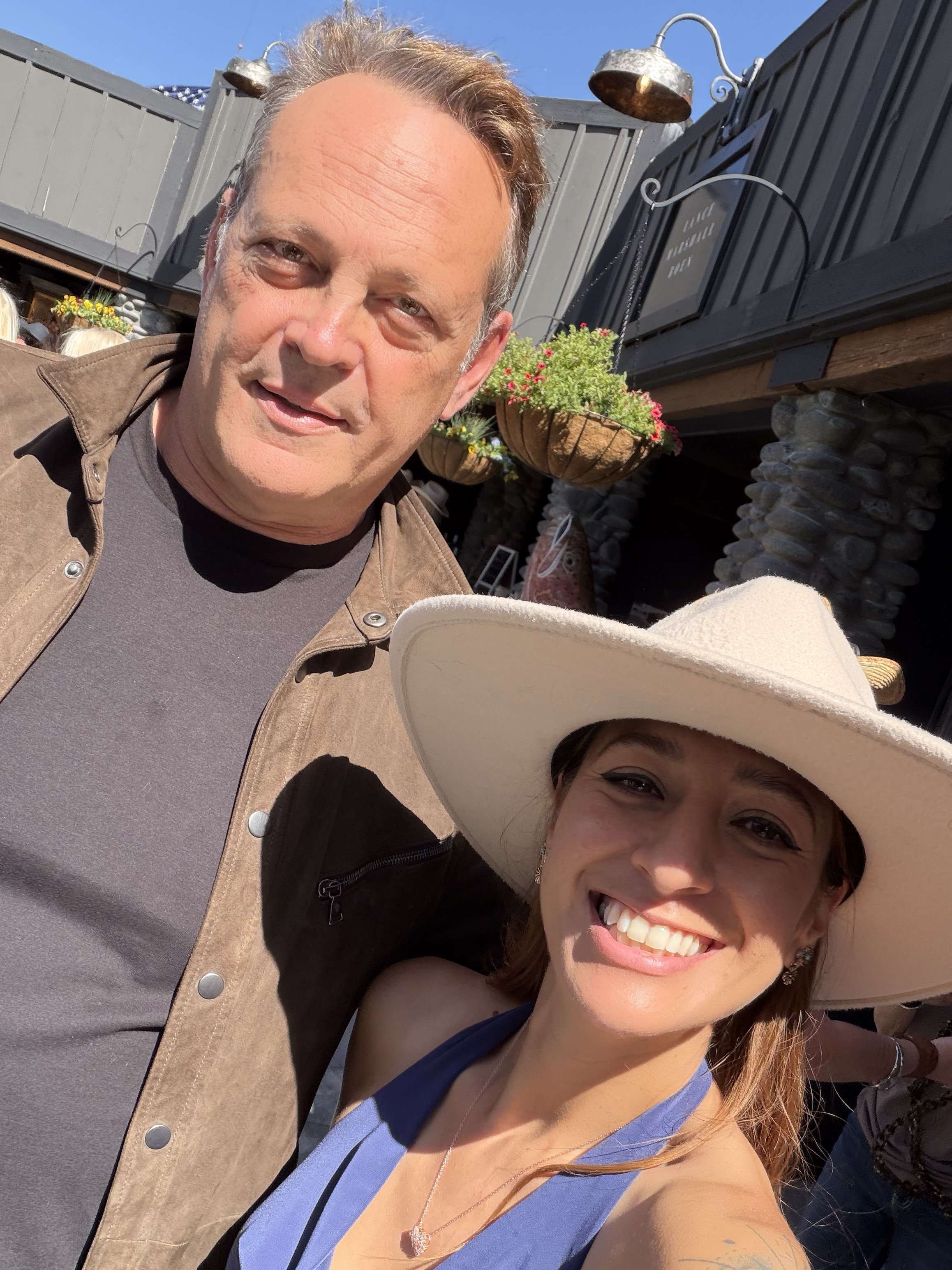
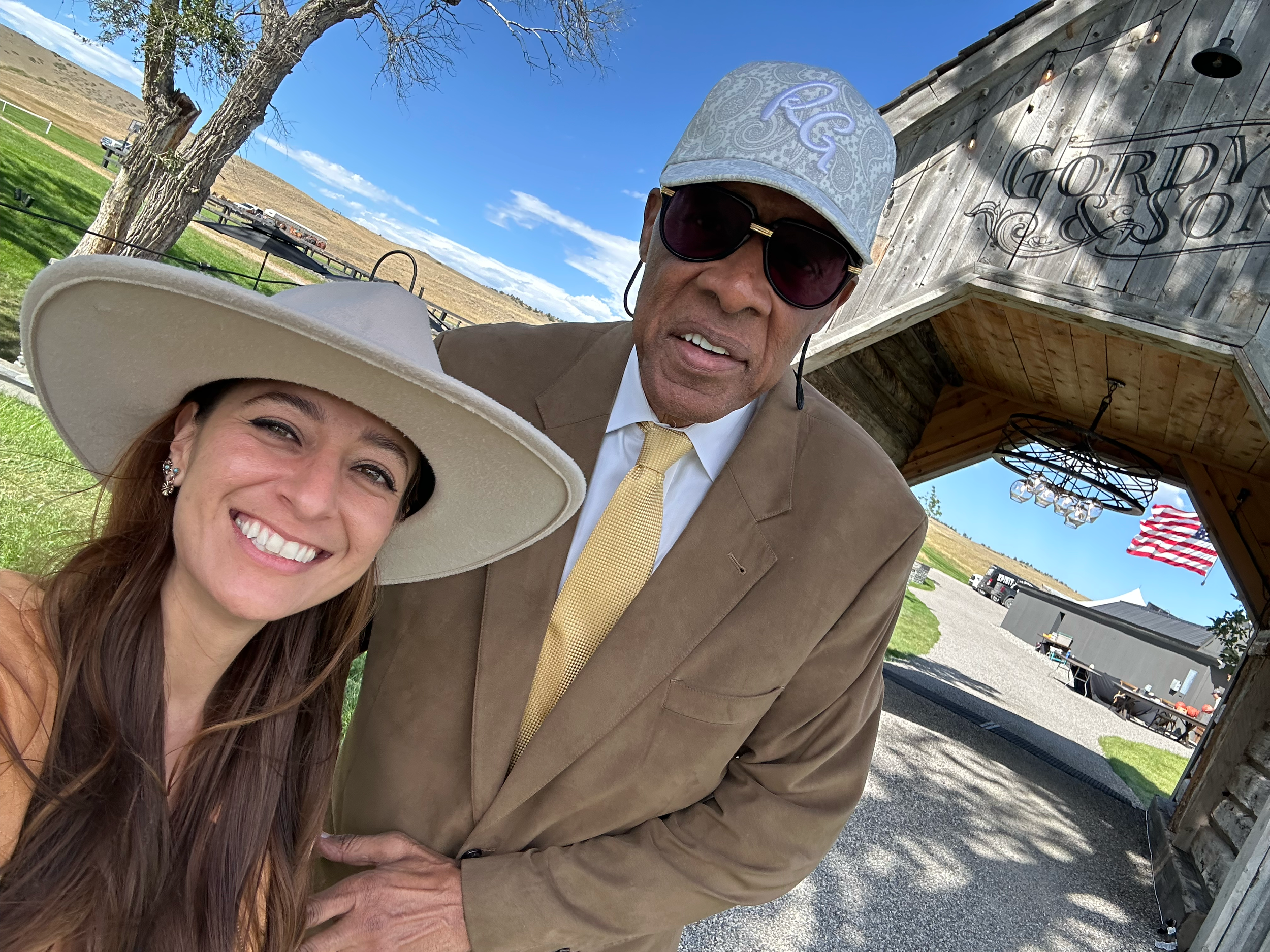
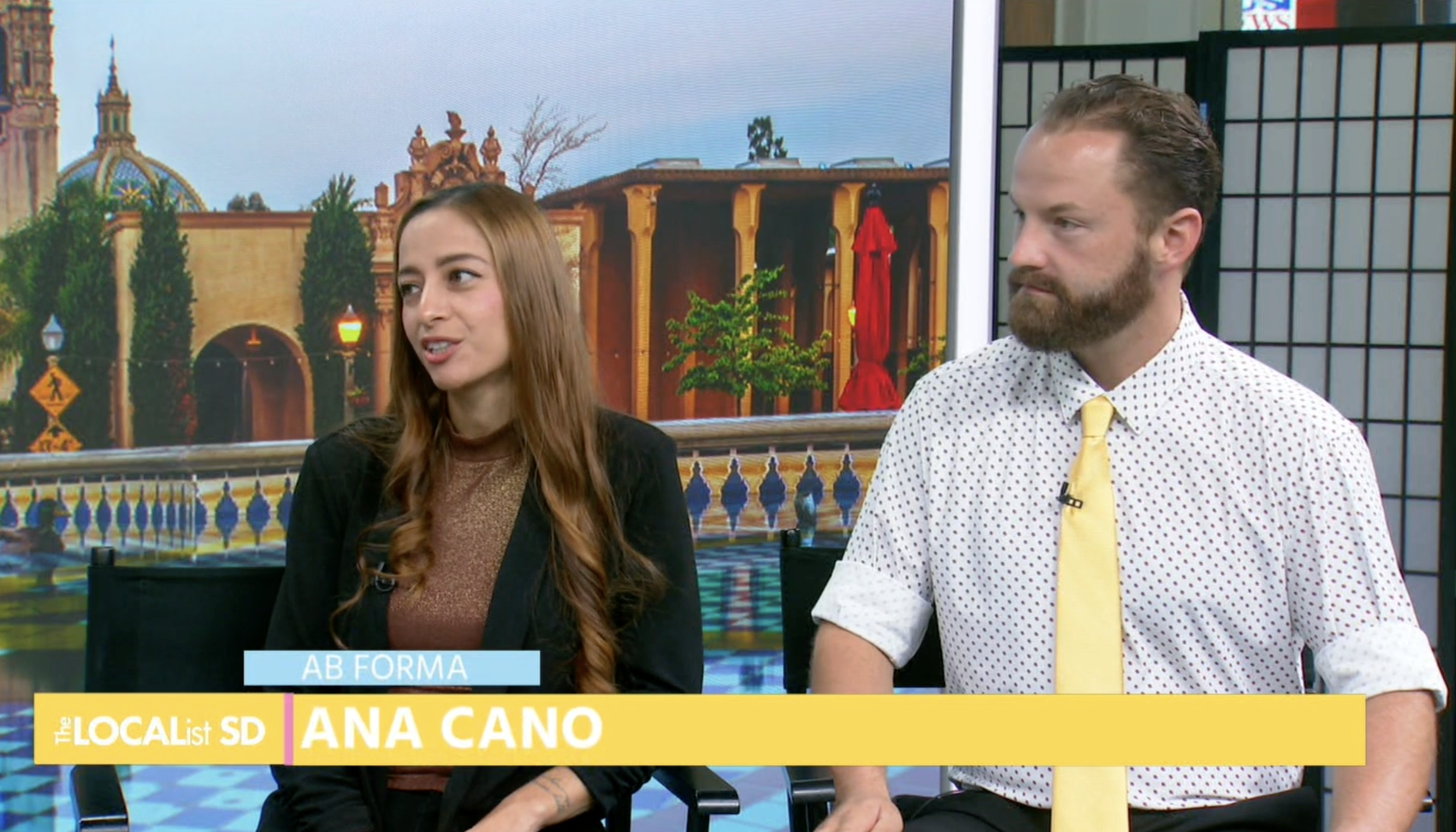
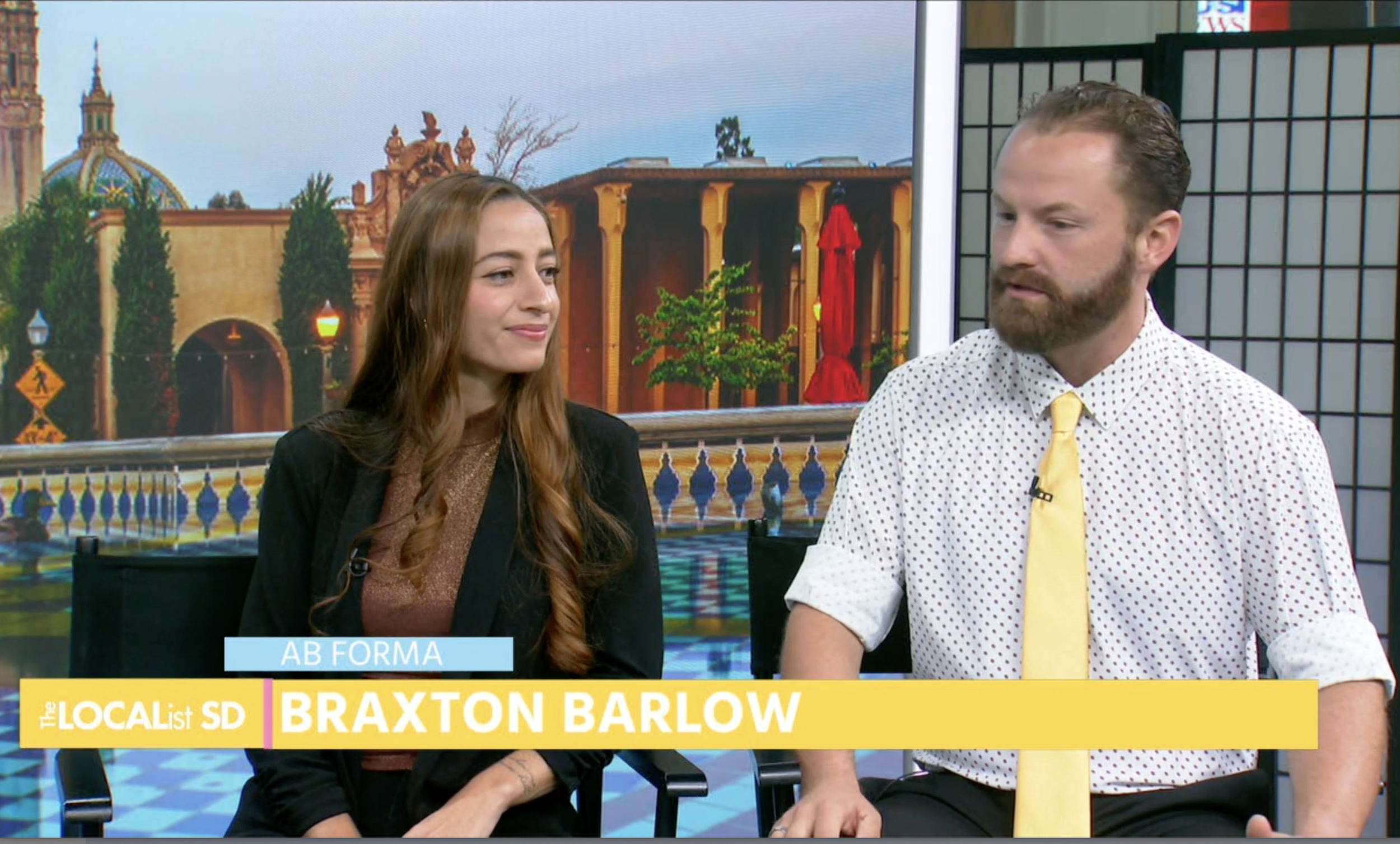
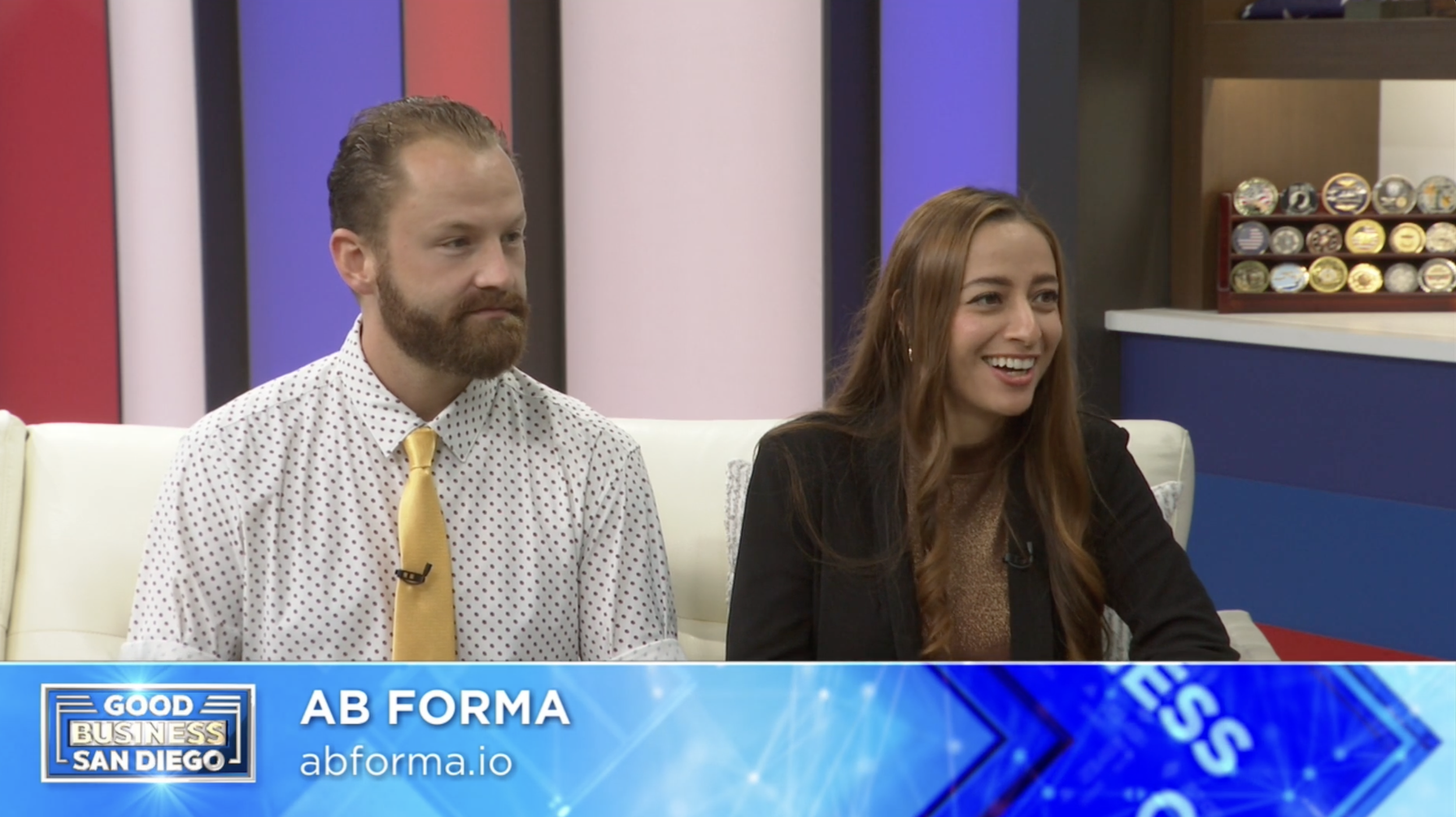
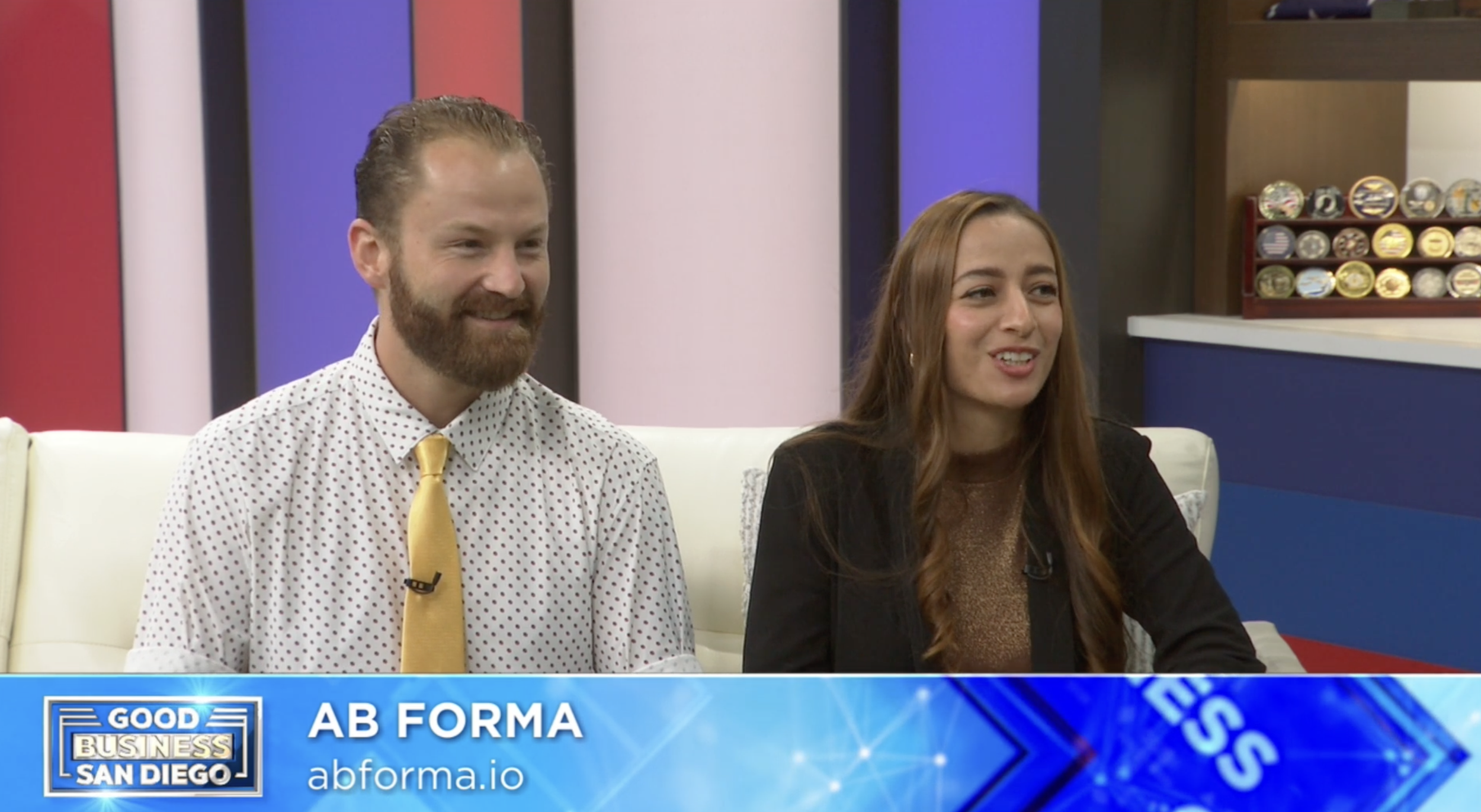
Ana & Braxton
Co- FoundersWith a vision for building something meaningful, Ana brings a blend of big-picture thinking and hands-on experience, combining operational excellence, KPI-driven management, leadership development, and business transformation expertise gained across complex customer-facing organizations. Braxton brings firsthand experience from major infrastructure projects, commercial construction, luxury developments and operational leadership; translating field expertise into systems that improve margins, forecasting, communication and performance. Together, they help organizations strengthen profitability, reduce operational risk and build systems that scale, setting the tone for everything we do.
What's wrong with this picture?
Submit Your Answer for a Free Leadership Session!
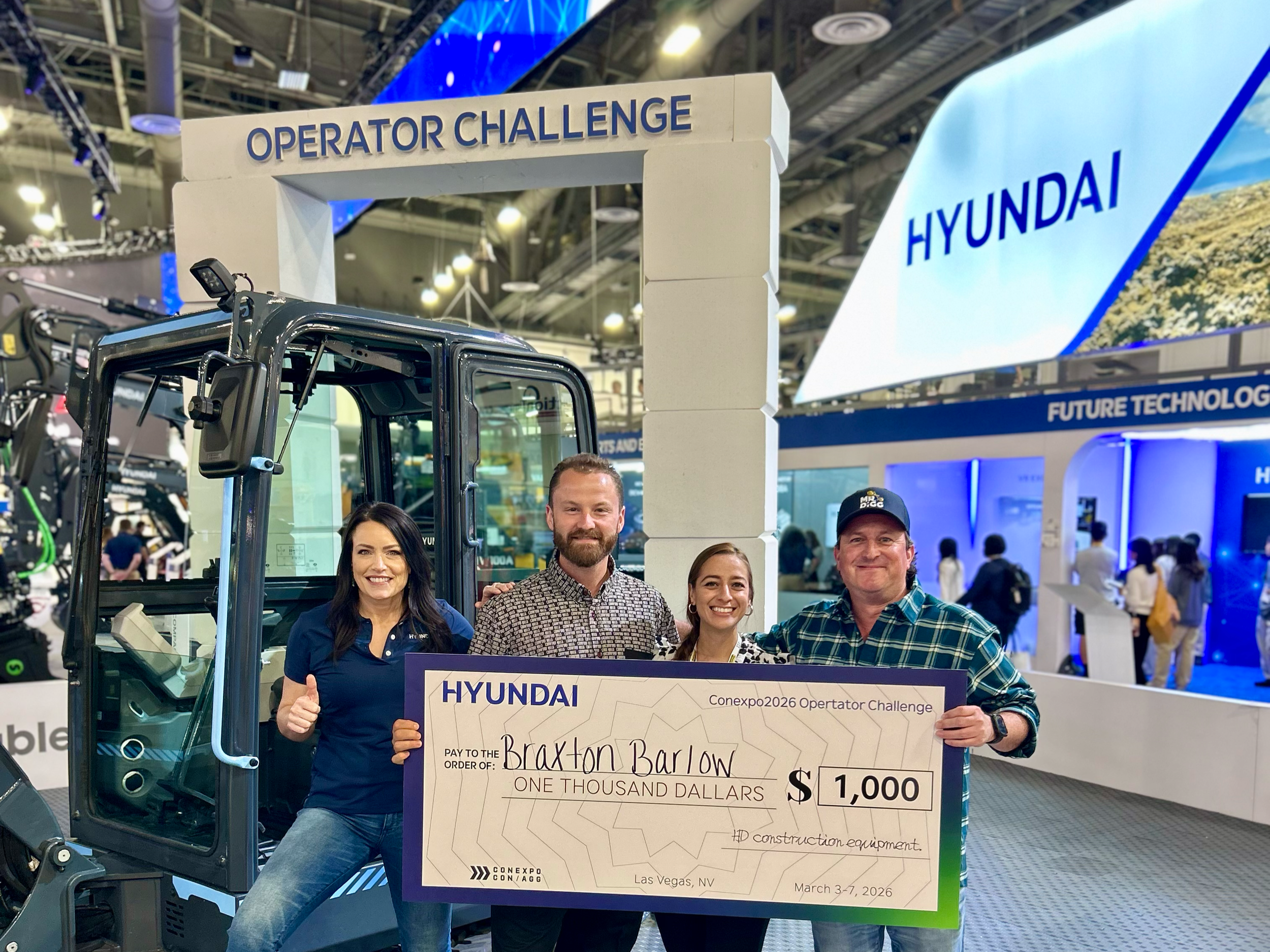
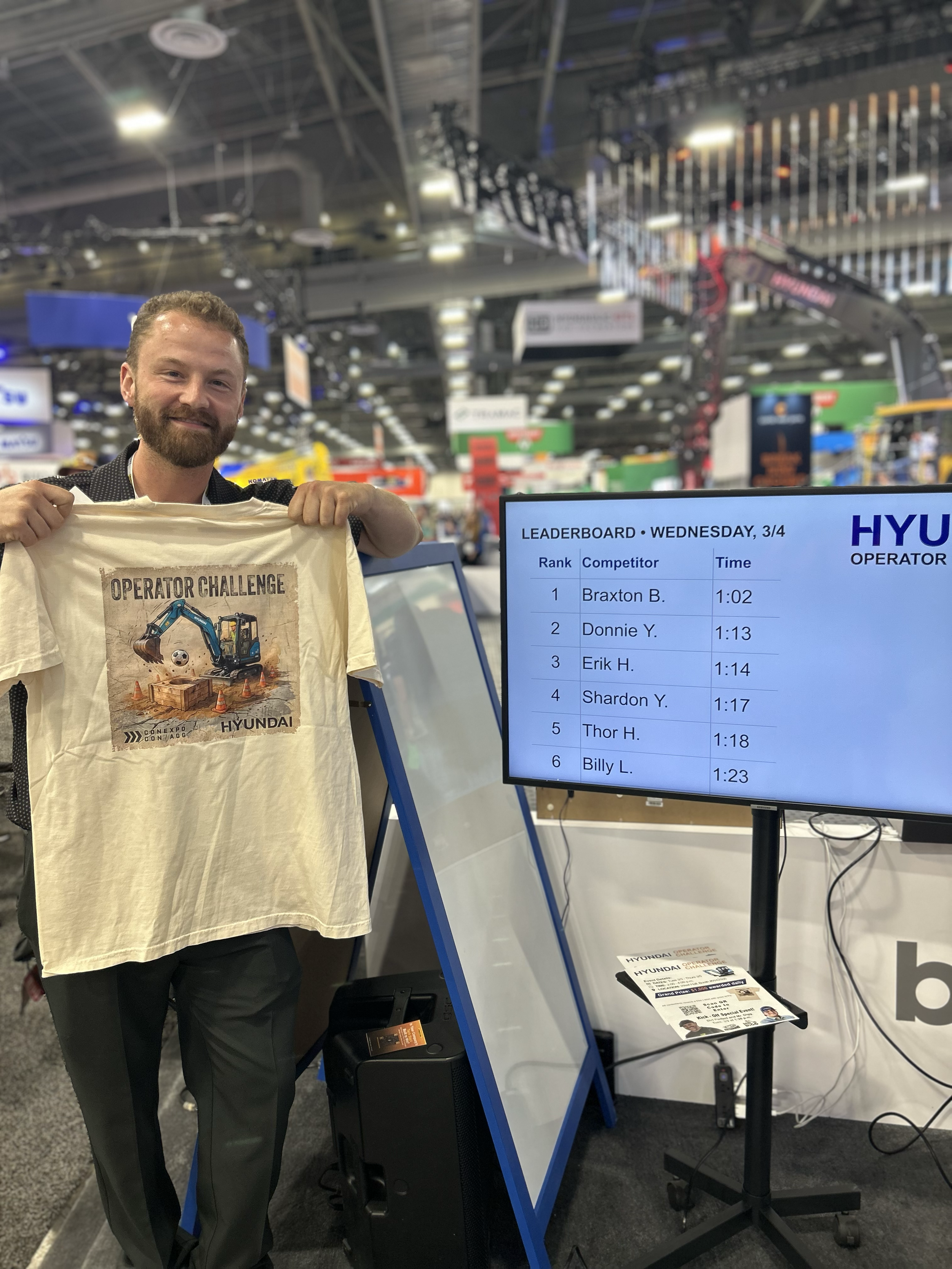
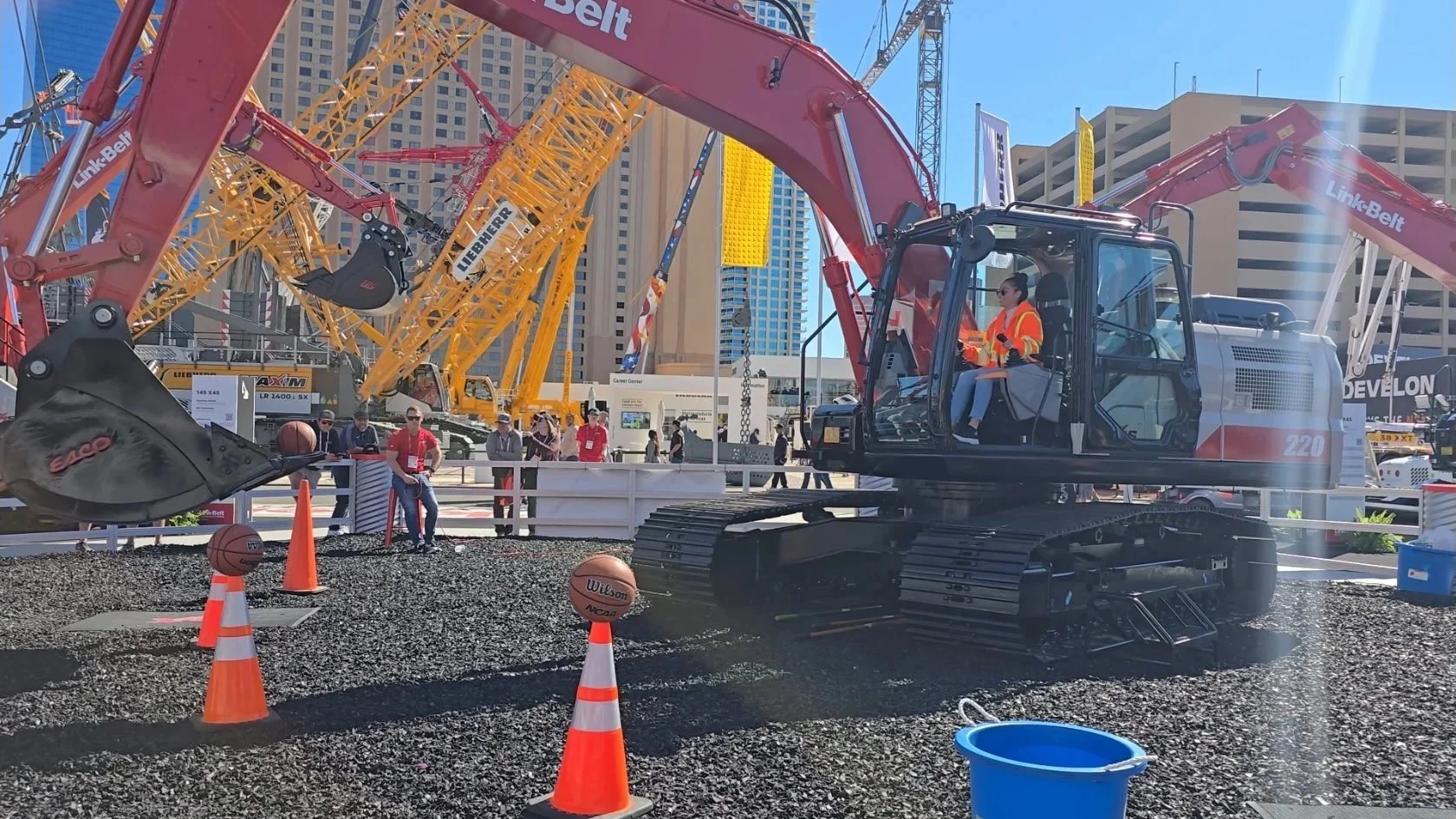
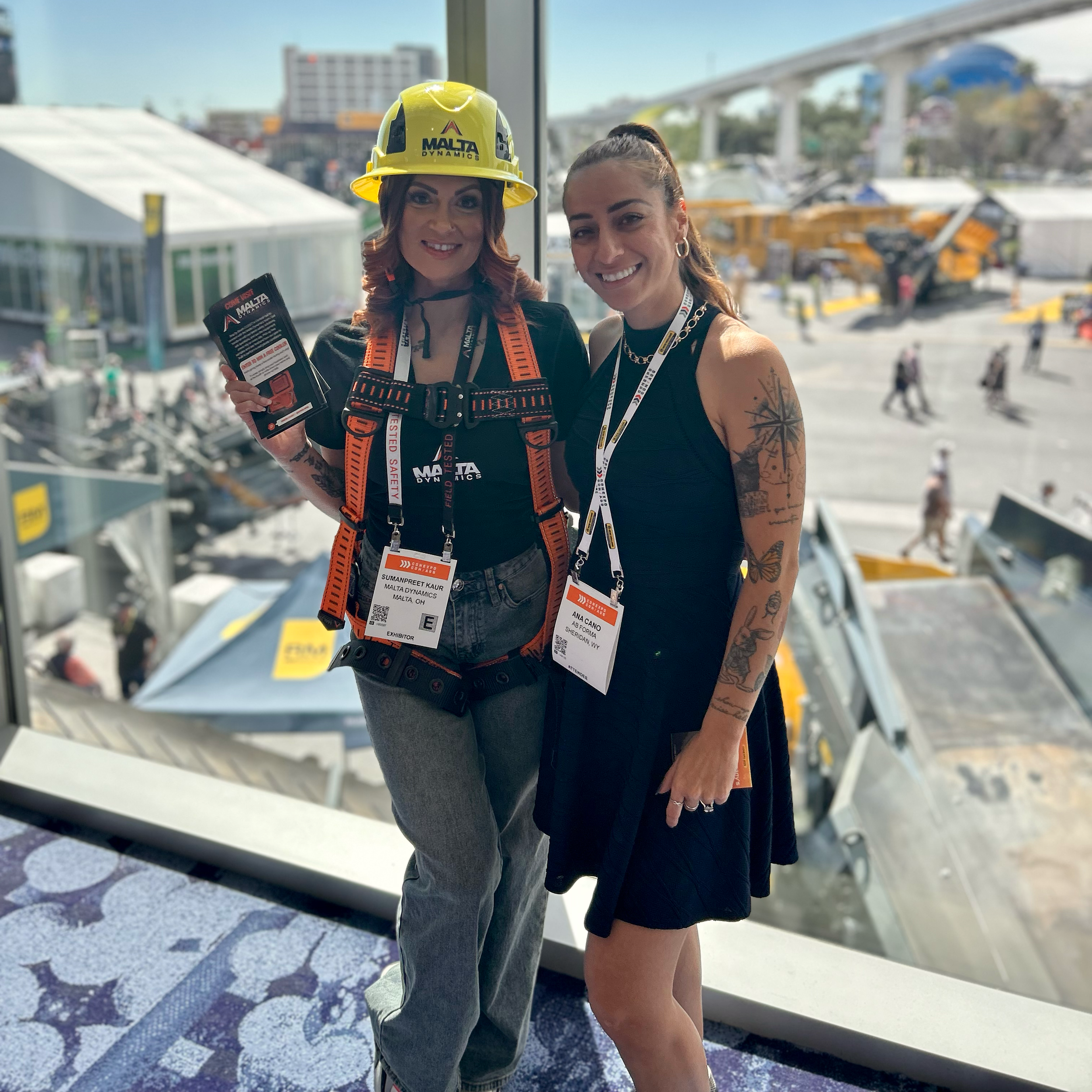
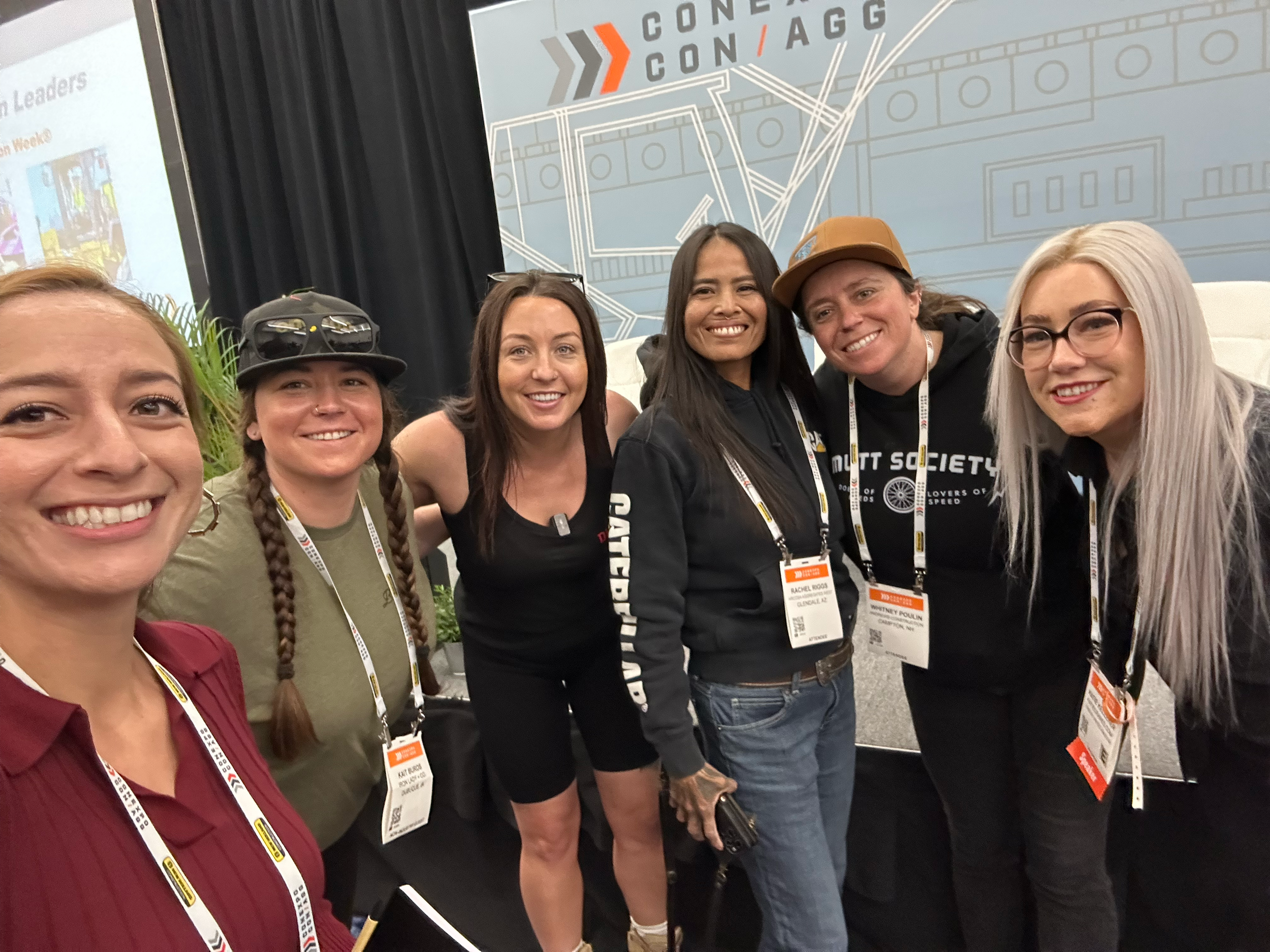
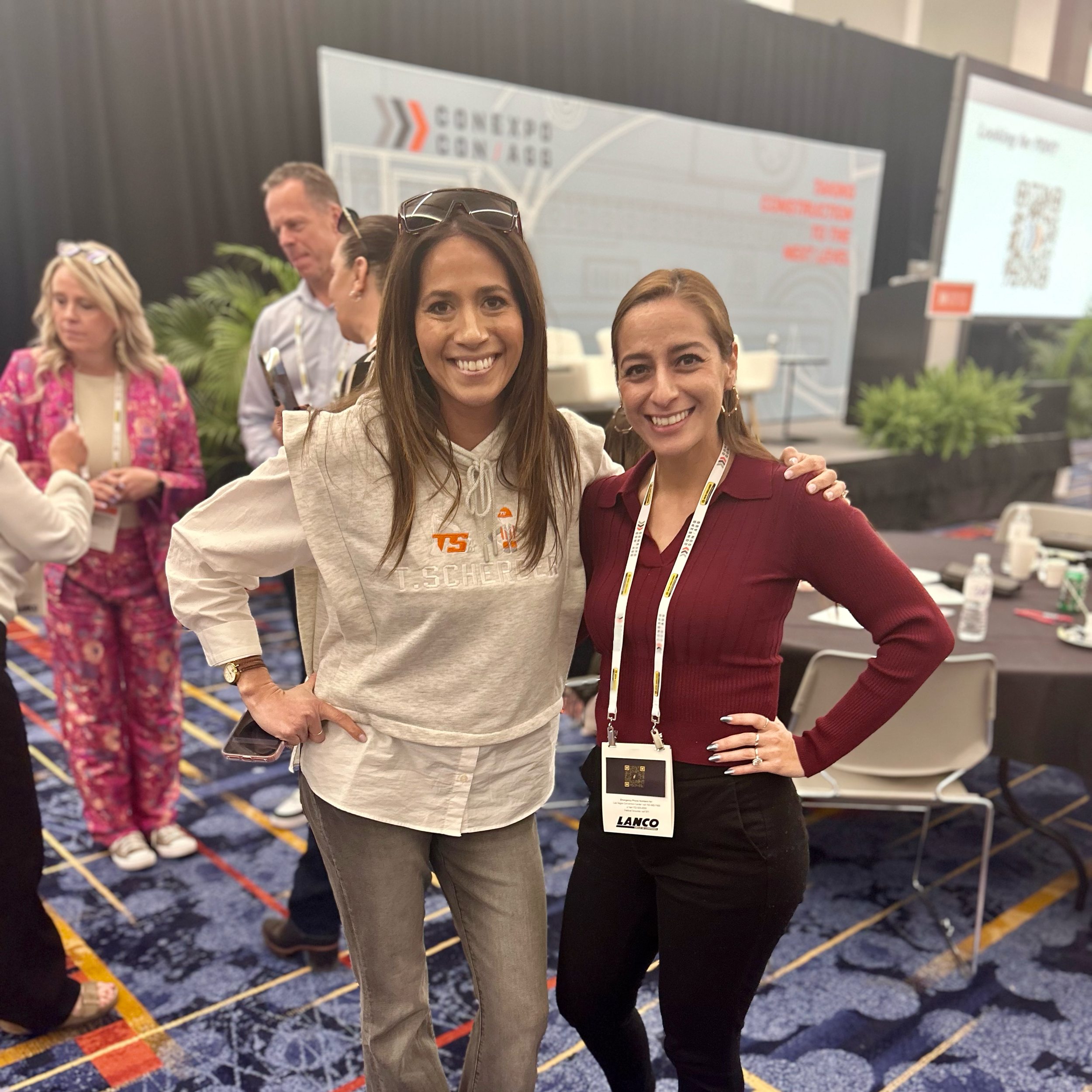
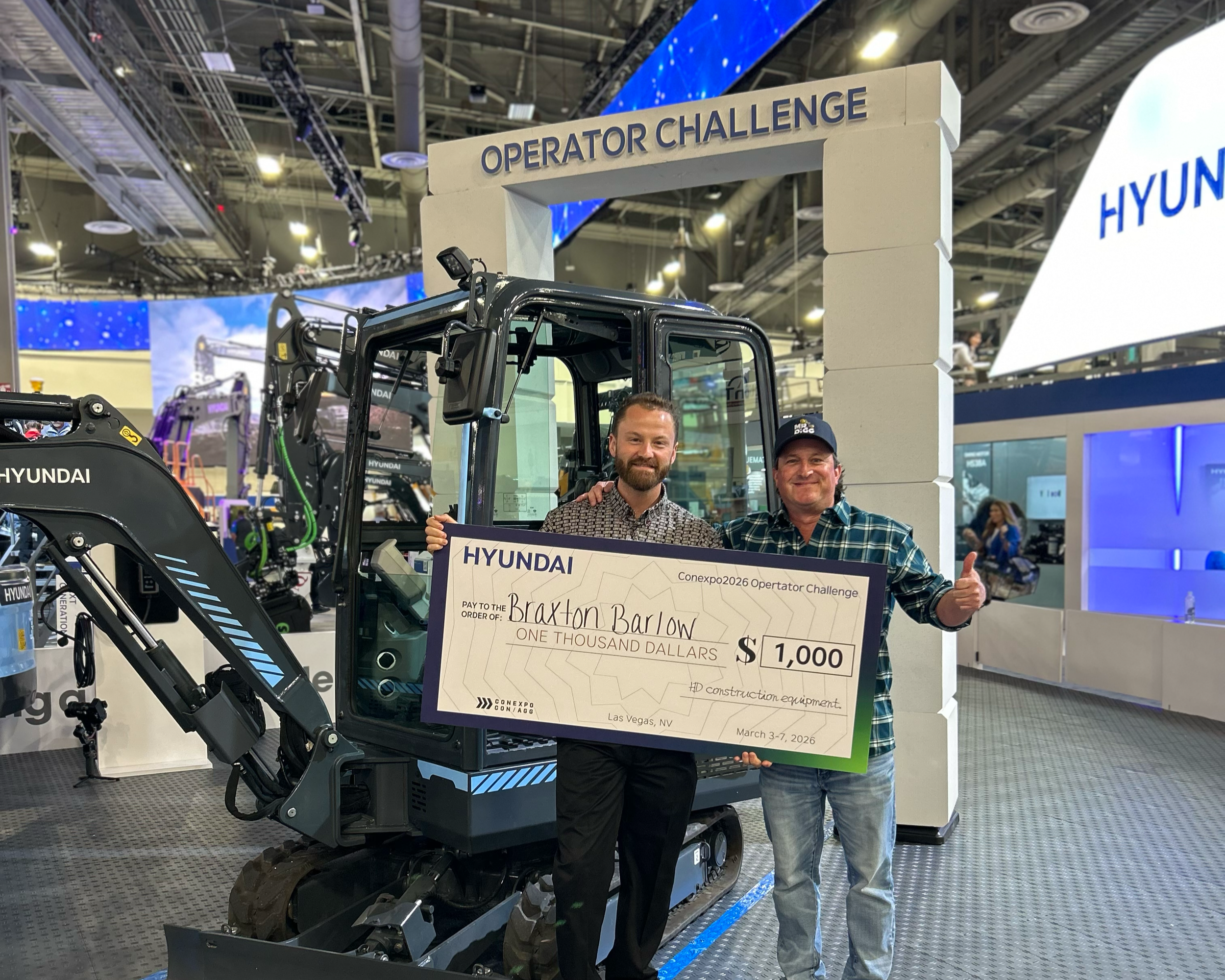
Operator Challenge Conexpo 2026
At ConExpo, the Hyundai booth ran an operator challenge to show off their new electronic mini-ex. The task looked simple: track a skid steer through an arch, pick three different-sized soccer balls off the tops of cones and drop them into matching holes in a wooden box. Simple concept but in practice, it separated operators fast.
The hard part wasn't tracking straight—though that trips up more people than you'd expect. It was running the tracks and the pilot controls at the same time. Do both simultaneously and you save the time you'd lose switching between them, and the whole machine runs smoother. Add the foot-hand-eye coordination and the ability to read which side of the bucket a rolling ball will exit and line it up with the hole, and you're describing a skill most people underestimate until they're in the seat.
That instinct doesn't come from video games. It comes from over a decade of running heavy machinery. I honed that exact skill tracking and working pilot controls together when managing a concrete hose with a mini excavator alongside a live drilling rig. As the rig tracked across the site, I tracked back and forth to handle a couple hundred feet of hose; keeping the rig from running it over and keeping myself from running it over. Where the skill was really honed was managing the hose into a coil as the auger drove into the ground, and protecting the laborer clearing dirt off the auger flights from a pumping, kicking hose—all while keeping that hose out of the flights. Move the machine and run the controls at once. A lot of operators at that booth couldn't. I'd taken it for granted until I watched them struggle.
We build AI for construction companies, and we build it from the seat, not the sidelines. We've run the machines. We've been on the jobsite when the timing has to be right or someone gets hurt. So when we implement AI for your operation, we're not guessing at how your work actually happens. We know it, because we've done it.
Most AI gets dropped on construction companies by people who've never left a screen. It fights the way you work because they don't understand the way you work. We do. That's the difference between implementation built by consultants and implementation built by operators.